
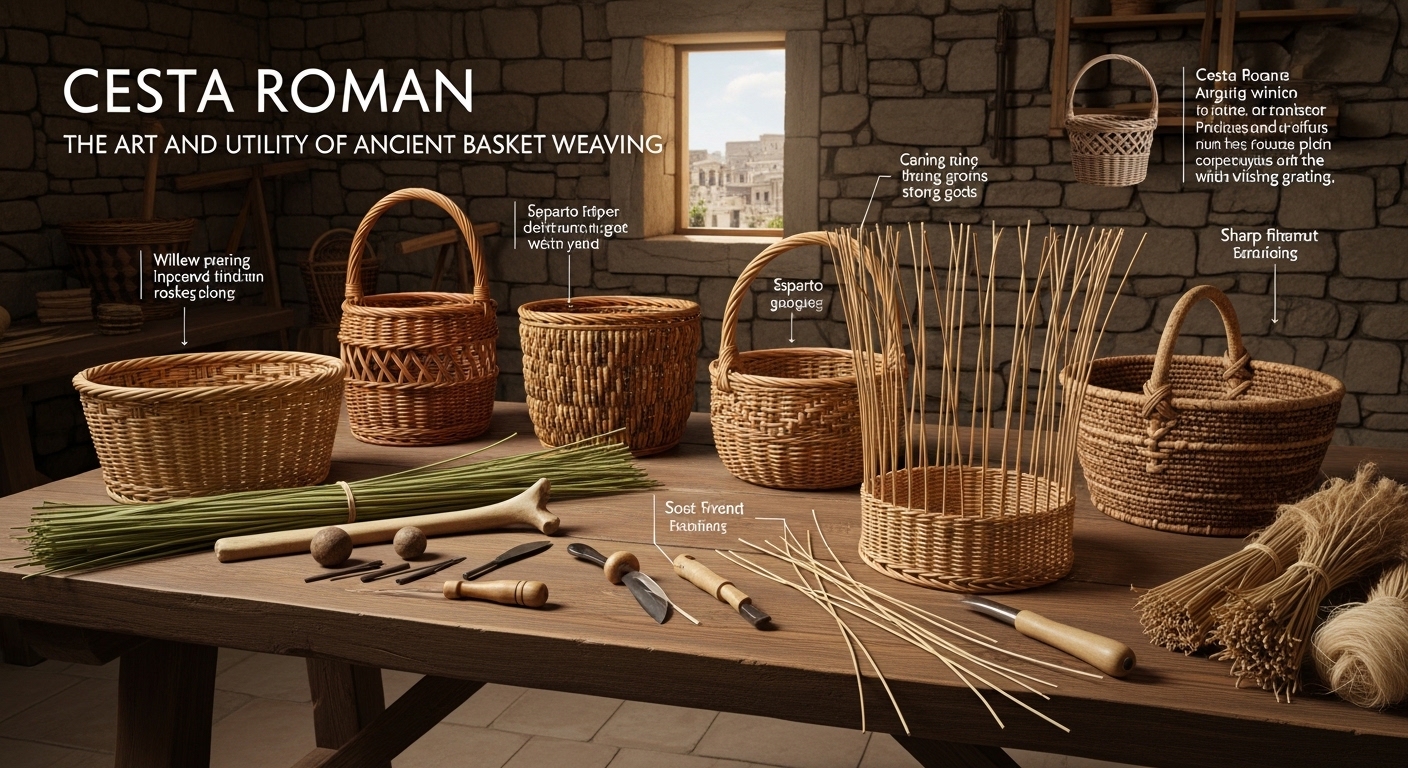
Cesta Roman: The Art and Utility of Ancient Basket Weaving
Cesta Roman is not just a term; it’s a gateway into the rich world of ancient craftsmanship and artistry. Imagine wandering through bustling markets in Rome, where artisans skillfully weave intricate baskets before your eyes. These timeless creations were more than mere objects—they held significant cultural importance and utility in daily life. As we explore Cesta Roman, we will unravel the fascinating history of basket weaving, its evolution over centuries, and how this age-old practice continues to inspire modern artisans today. Join us on this journey as we delve into the art of basket weaving that has withstood the test of time!
What is Cesta Roman?
Cesta Roman refers to a traditional form of basket weaving that dates back to ancient Rome. This intricate craft combines artistry with functionality, allowing artisans to create beautiful yet practical baskets.
The term “cesta” translates directly to “basket” in Italian and Spanish. Thus, Cesta Roman specifically highlights the unique styles and techniques employed by Roman craftsmen throughout history.
These baskets were not just for decoration; they served various purposes, from storage solutions to decorative items. The remarkable designs often showcased the skill and creativity of their makers.
With an emphasis on both aesthetics and utility, Cesta Roman remains a fascinating example of how everyday objects can possess beauty while serving essential roles in daily life.
The History and Evolution of Basket Weaving
Basket weaving dates back thousands of years, showcasing human creativity and resourcefulness. Early cultures utilized natural materials like reeds and grasses to create functional items for daily life.
As civilizations evolved, so did the techniques of basket making. Ancient Egyptians crafted beautifully intricate baskets adorned with hieroglyphics. In contrast, Native American tribes developed unique styles that reflected their surroundings and resources.
The Romans embraced basket weaving as both a craft and an art form, using it in various aspects of daily life. This period saw the introduction of new materials such as willow and wicker, allowing for greater versatility in design.
With time, these ancient practices influenced artisans across continents. Each region adapted methods to suit its environment while maintaining a connection to ancestral traditions. Today’s modern craftspeople continue this legacy by blending historical techniques with contemporary aesthetics.
Materials Used in Cesta Roman
Cesta Roman relies heavily on natural materials. These include flexible plant fibers, such as willow, cane, and rushes. Each offers distinct qualities that enhance the basket’s durability and aesthetics.
Willow is particularly popular for its strength and pliability. It can be easily manipulated into intricate shapes while maintaining structure.
Cane provides a lightweight option, perfect for carrying goods without adding extra weight. Its smooth texture also lends a polished finish to baskets.
Rushes contribute a rustic charm with their coarse appearance. They are often used in more traditional designs, emphasizing the artisanal aspect of Cesta Roman.
Additionally, reeds are sometimes incorporated for added flexibility. The combination of these materials results in functional yet beautiful creations that reflect ancient craftsmanship’s ingenuity and resourcefulness.
Techniques Used in Basket Weaving
Basket weaving is a meticulous art that combines creativity with skill. Various techniques define this craft, each contributing to the unique character of the finished piece.
One common method is coiling, where strands are wound around each other and secured with stitching. This technique creates sturdy baskets with intricate designs.
Another popular approach is twining, which involves intertwining two or more flexible materials together. It allows for diverse patterns and varying textures, making every basket distinct.
Splint weaving uses flat reeds or strips of material that are woven in an over-and-under pattern. This technique often results in strong structures ideal for functional use.
Wickerwork employs thin rods or vines bent into shape while being interlaced with one another. This ancient practice gives baskets their iconic shapes and durability. Each method not only showcases craftsmanship but also tells a story steeped in tradition and culture.
The Role of Basket Weaving in Ancient Rome
Basket weaving held a significant place in ancient Roman society. It was not merely an art form but also a practical skill essential for daily life.
Romans used baskets for various purposes, from transporting goods to storage solutions. These woven creations were vital in markets and homes alike.
Skilled artisans often crafted intricate designs that showcased their talent. Baskets adorned with colorful patterns became prized possessions, reflecting status and creativity.
In addition to function, basket weaving facilitated community interaction. Families would gather to weave together, passing down techniques through generations while sharing stories and bonding over the craft.
Baskets found their way into religious rituals as well. Offerings made of woven materials highlighted the connection between craftsmanship and spirituality within Roman culture. This blend of utility and artistic expression defined the role of basket weaving during this remarkable period in history.
Modern Day Application of Cesta Roman
Today, Cesta Roman resonates with artisans and craftspeople who appreciate traditional techniques. The revival of handcrafted goods has embraced this ancient art form.
Artists incorporate the intricate patterns and structures of Cesta Roman into modern designs. Their baskets serve not only as functional items but also as decorative pieces for homes.
Eco-conscious consumers are drawn to these sustainable products. Handwoven baskets reduce reliance on plastic while adding a unique touch to any space.
Workshops around the world teach aspiring weavers about this age-old craft. Participants learn both technique and history, fostering a deeper connection to cultural heritage.
Cesta Roman is more than just basket weaving; it’s an expression of identity and creativity in contemporary settings, showing that ancient methods can adapt beautifully to modern life.
Benefits of Learning and Practicing Basket Weaving
Learning and practicing basket weaving offers numerous benefits that extend beyond mere craftsmanship. It fosters creativity, allowing individuals to explore their artistic potential through various designs and patterns.
Engaging in this ancient art form can also be meditative. The rhythmic motions of weaving provide a calming effect, helping to reduce stress and promote mindfulness. Each weave encourages focus, inviting you into the present moment.
Additionally, basket weaving is an excellent way to connect with tradition and heritage. By mastering this skill, you become part of a rich history that spans cultures and generations.
Moreover, it’s a practical craft. Handmade baskets serve multiple purposes around the home or garden—storage solutions for everyday items or beautiful decor pieces to enhance your living space.
Sharing this craft with others creates community connections. Workshops or classes often bring people together over shared interests and skills while fostering new friendships.
Conclusion
Cesta Roman embodies a fascinating blend of art and utility that has stood the test of time. This ancient practice, rooted in practicality, tells us much about the culture and daily life of the Romans. From humble beginnings to an evolved craft, basket weaving reflects not only creativity but also resourcefulness.
The materials used in cesta roman are a testament to nature’s gifts. Natural fibers like willow, rushes, and grasses were transformed into functional items that served various purposes in everyday life. The techniques developed over centuries showcase an incredible understanding of craftsmanship.
Basket weaving played a vital role in ancient Rome beyond mere aesthetics. It was integral to trade and domesticity alike; baskets held food supplies for families while enabling merchants to transport goods efficiently.