Erectn Explained: The Science Behind a Common Phenomenon
Erections are a natural part of life, yet they often come shrouded in mystery and misconceptions. For many, this common phenomenon sparks curiosity and questions. What exactly happens when an erection occurs? Why do some men experience difficulties, while others don’t? Understanding the science behind erections—collectively referred to as “Erectn”—can help demystify this essential aspect of male physiology.
In our exploration today, we’ll dive into the intricate dance between anatomy and biology that facilitates every erection. From triggers to brain function, we’re here to shine a light on all things Erectn. Whether you’re seeking knowledge for personal insight or just wanting to satisfy your curiosity, join us on this enlightening journey through the world of erections!
What is Erectn ?
Erectn refers to the physiological process that leads to an erection, a common and natural occurrence in human sexuality. It involves a complex interplay of nerves, blood vessels, hormones, and psychological factors.
When aroused, signals from the brain trigger increased blood flow to the penis. This influx fills the erectile tissues, causing expansion and rigidity.
This process isn’t just about physical response; emotional connection plays a significant role too. Feelings of attraction or intimacy can enhance sexual excitement.
Understanding Erectn goes beyond mere biology. It’s intertwined with mental health and self-esteem as well. Stress or anxiety can disrupt this natural function at any time.
Many people experience variations in their erections throughout life due to various factors—age being one of them. Recognizing what Erectn is helps demystify it and encourages open discussions around sexual health.
The Anatomy and Physiology of an Erection
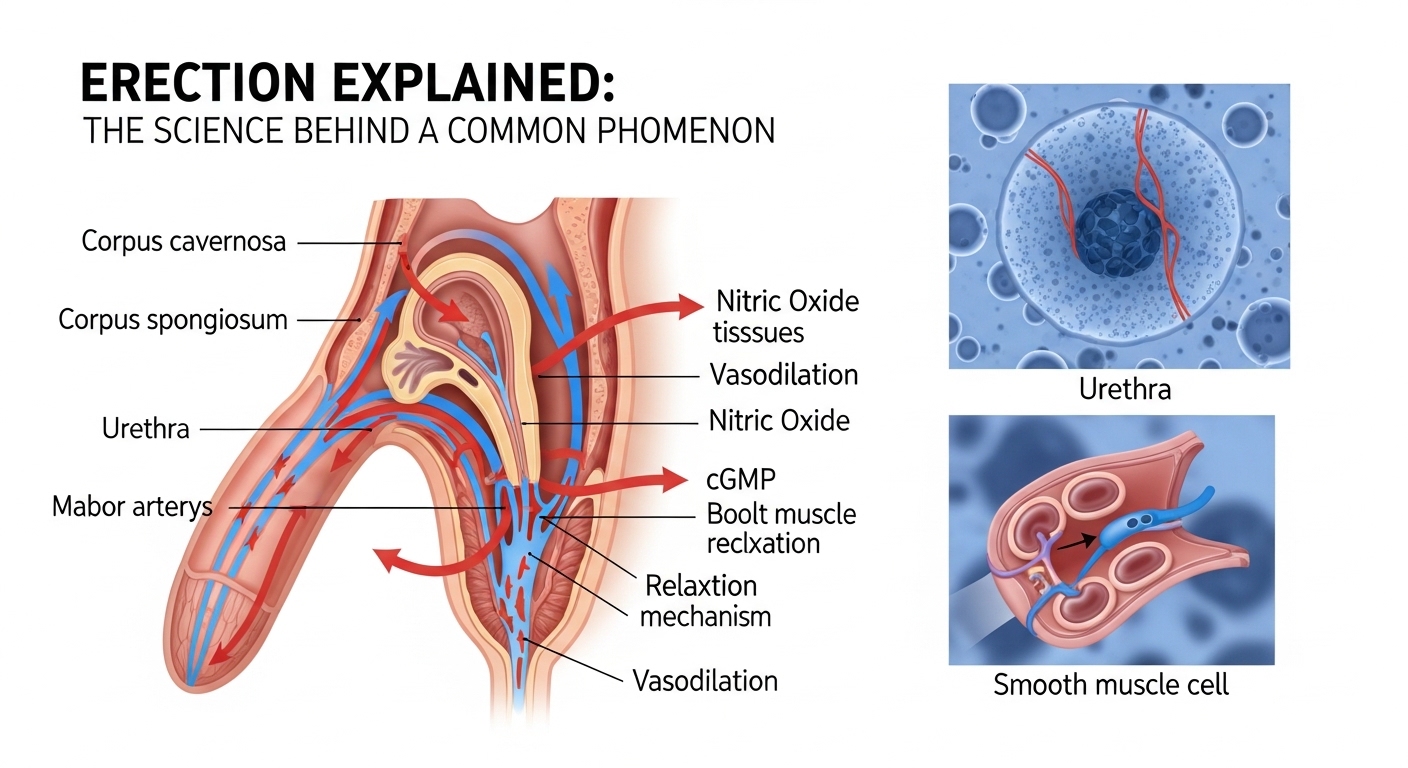
An erection is a fascinating process involving both anatomy and physiology. At its core, it begins in the brain, where sexual arousal triggers signals to nerves in the penis.
These signals cause blood vessels to relax and widen. This relaxation allows more blood to flow into two cylindrical structures known as the corpora cavernosa. As these chambers fill with blood, pressure builds, leading to an erection.
The surrounding tissues also play a crucial role. The tunica albuginea encases the corpora cavernosa and helps maintain rigidity during an erection by trapping the inflow of blood.
Hormones like testosterone are essential too. They influence libido and contribute to overall erectile function.
Understanding this intricate interplay between body systems reveals how erections are not just physical but also involve complex biochemical processes that can be affected by various factors including health and lifestyle choices.
What Triggers an Erection?
Erections are fascinating and complex phenomena influenced by various factors. Physical stimulation is one of the most common triggers. This can range from touch to visual stimuli that excite the senses.
The brain plays a crucial role too. It processes sexual thoughts or fantasies, sending signals to nerves in the pelvic region. These signals lead to increased blood flow into the penis, resulting in an erection.
Hormones also contribute significantly. Testosterone, for example, regulates libido and influences erectile function directly.
Psychological elements cannot be overlooked either; stress or anxiety may impede arousal while confidence can enhance it. Each trigger interacts with others in unique ways, creating a rich tapestry of responses that leads to an erection when conditions align perfectly.
How Does the Brain Control Erections?
The brain plays a crucial role in the process of achieving an erection. It acts as the command center, interpreting signals from both internal and external stimuli.
When arousal occurs, whether through physical sensations or erotic thoughts, specific areas of the brain become active. This triggers a cascade of events that leads to increased blood flow to the penis.
Neurotransmitters like nitric oxide are released during this process. They relax blood vessels, allowing for engorgement.
Interestingly, emotional factors can also influence erections. Stress or anxiety may disrupt normal functioning by sending conflicting messages to the body.
It’s this intricate communication between mind and body that governs sexual responses—making understanding it essential for those experiencing erectile issues. Each individual experience is unique and influenced by various psychological elements intertwined with biology.
Common Causes of Erectile Dysfunction
Erectile dysfunction, often referred to as ED, can stem from various factors. One of the most common causes is stress and anxiety. The pressures of daily life can significantly impact sexual performance.
Physical health plays a crucial role too. Conditions such as diabetes and heart disease are major culprits that affect blood flow and nerve function. These issues can hinder the ability to achieve or maintain an erection.
Hormonal imbalances also contribute to erectile dysfunction. Low testosterone levels might lead to reduced libido and difficulties in achieving erections.
Certain medications may have side effects that interfere with sexual function. It’s important for individuals on long-term medication to consult their healthcare providers if they notice changes.
Lifestyle choices can’t be overlooked either. Smoking, excessive alcohol consumption, and lack of exercise diminish overall health, which directly affects erectile capabilities.
Treatment Options for Erectile Dysfunction
When it comes to treating erectile dysfunction, various options are available. One common approach is medication. Pills like Viagra and Cialis can enhance blood flow, making it easier to achieve an erection.
For some men, lifestyle changes can be transformative. Regular exercise and a healthy diet may improve overall health and intimacy.
Therapy also plays a significant role in treatment. Psychological factors often contribute to erectile issues. Speaking with a counselor or therapist can help address anxiety or relationship concerns.
Another option is vacuum devices, which draw blood into the penis using suction. This method has been effective for many individuals seeking non-invasive solutions.
In more severe cases, injections directly into the penis might be recommended by healthcare providers. These methods work quickly and have helped numerous patients regain confidence in their sexual health.
Surgical procedures are another route for those who have not found relief through other treatments.
Debunking Myths about Erections
Erections often come with a host of misconceptions. One common myth is that they only occur due to sexual arousal. In reality, erections can happen spontaneously, even during sleep.
Another prevalent belief is that age automatically leads to erectile dysfunction. While it’s true that many older men experience challenges, factors such as lifestyle and overall health play significant roles too.
Some people think the size of an erection reflects masculinity or sexual prowess. This simply isn’t true; confidence and emotional connection matter far more in intimate situations.
Many believe that certain foods or supplements guarantee improved erections. However, maintaining a balanced diet and regular exercise tends to be more beneficial than relying on quick fixes.
There’s the idea that talking about difficulties with erections signifies weakness. Open conversations are essential for understanding and addressing these issues effectively without stigma attached.
Conclusion
Erections are a fascinating interplay of biology, psychology, and physiology. Understanding the mechanics behind them can enhance our awareness of sexual health and well-being. The process involves complex interactions between various body systems, highlighting just how intricate human anatomy is.
Recognizing what triggers an erection sheds light on the mind-body connection that plays a crucial role in sexual function. With various factors influencing this phenomenon, it’s essential to address any issues like erectile dysfunction with care. There are numerous treatment options available today that cater to individual needs.
Dispelling myths around erections is also vital for fostering open conversations about sexual health. Knowledge empowers individuals to seek help when necessary without shame or stigma.