Sosoactive : Fostering Engagement and Collaboration in Classrooms
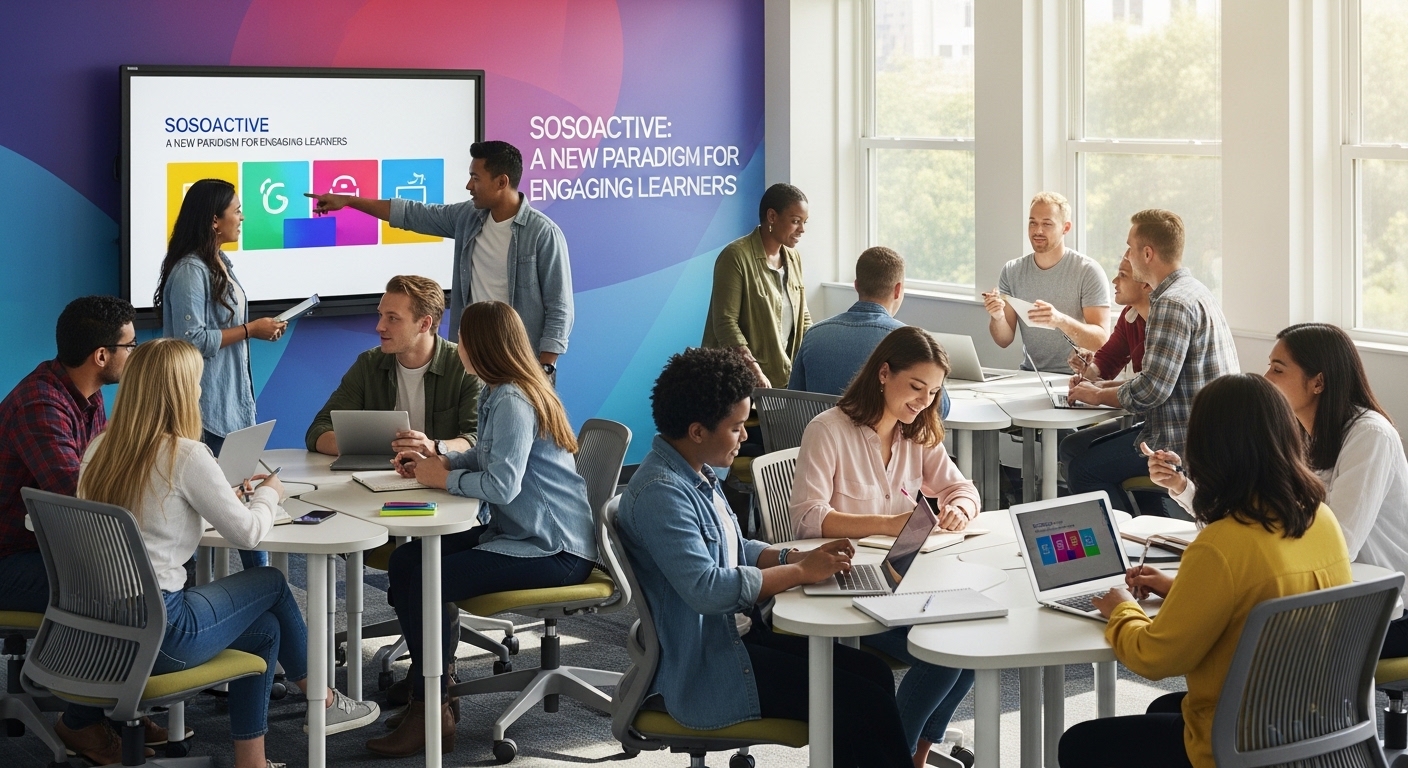
Sosoactive education is all about creating a vibrant learning environment where students actively engage with their peers. This approach encourages collaboration, allowing learners to share ideas and perspectives while working together on projects or discussions. The focus shifts from teacher-led instruction to student-driven exploration.
By embracing sosoactive methods, educators can tap into diverse talents and foster creativity among students. This dynamic interaction not only enhances understanding but builds essential skills like communication and teamwork—preparing students for real-world challenges beyond the classroom walls.
What is Sosoactive
Sosoactive is an innovative educational approach designed to enhance student engagement through active participation. It encourages collaboration among students, allowing them to take ownership of their learning experiences. By integrating technology and interactive methods, Sosoactive creates a dynamic classroom environment where ideas can flourish.
This model emphasizes the importance of social interaction in education. Students work together on projects, share insights, and support each other’s growth. As a result, they develop critical thinking skills while building meaningful connections with peers—making the learning process more enjoyable and effective.
Understanding Sosoactive Education
Sosoactive education is a transformative approach that prioritizes student engagement and collaboration. It encourages learners to actively participate in their educational journey rather than passively receiving information. By integrating technology, Sosoactive creates interactive environments where students can connect, share ideas, and solve problems together.
This method fosters critical thinking and creativity as students work alongside peers. The focus shifts from traditional teaching methods to a more dynamic learning experience. As educators embrace these principles, classrooms become vibrant spaces for exploration, making the learning process enjoyable and meaningful for all involved.
Exploring Sosoactive Education
Sosoactive education transforms traditional classroom dynamics by integrating technology and collaboration. This innovative approach allows students to become active participants in their learning journey, promoting a deeper understanding of the subject matter.
Through interactive tools and platforms, learners can engage with peers and educators seamlessly. By encouraging discussions and teamwork, Sosoactive education fosters an environment where creativity thrives. Students develop critical thinking skills while exploring diverse perspectives, making learning more meaningful and enjoyable than ever before.
Embracing Student-Centric Approaches
Embracing student-centric approaches transforms traditional classrooms into dynamic learning environments. This model places students at the heart of their education, encouraging active participation and ownership over their learning journeys. When students feel invested, they engage more deeply with the material.
These methods foster collaboration among peers, promoting teamwork and communication skills. By tailoring lessons to individual interests and strengths, educators create a supportive atmosphere where every voice is valued. The result? A vibrant classroom culture that thrives on curiosity and creativity while nurturing lifelong learners ready to tackle real-world challenges.
Leveraging Sosoactive for Education
Sosoactive education transforms traditional classrooms into dynamic learning environments. By utilizing digital platforms, educators can create interactive experiences that spark curiosity among students. These tools facilitate real-time feedback and collaboration, allowing learners to engage deeply with the material.
Teachers can leverage Sosoactive methods to customize lessons based on student interests and needs. This adaptability not only enhances understanding but also fosters a sense of ownership in the learning process. Embracing technology in this way prepares students for future challenges while making education more engaging and relevant.
The Future of Sosoactive Education
The future of sosoactive education is bright, driven by rapidly evolving technology and a focus on personalized learning. As educators embrace digital tools, classrooms will become more interactive spaces where collaboration thrives.
Innovative platforms will emerge, allowing students to engage in real-time discussions and projects from anywhere in the world. This shift fosters a sense of community among learners while encouraging critical thinking and creativity. The potential for global connectivity opens doors to diverse perspectives, enriching the educational experience for everyone involved.
FAQs about Sosoactive Education
Sosoactive education raises many questions among educators and parents alike. What resources are needed to implement it effectively? How do teachers adapt their lesson plans to incorporate this approach?
Many wonder about the impact on student learning and collaboration. Can Sosoactive truly enhance engagement in diverse classrooms? These FAQs highlight the curiosity surrounding Sosoactive education, paving the way for deeper understanding and implementation in various educational settings. Exploring these questions can lead to a more effective use of Sosoactive principles.
Challenges and Strategic Considerations
Implementing Sosoactive education comes with its own set of challenges. Teachers may find it difficult to shift from traditional methods to more collaborative approaches. There can be resistance from both educators and students who are accustomed to conventional learning environments.
Strategically, schools must invest in training for teachers while ensuring that technology is accessible and user-friendly. Additionally, fostering an atmosphere of trust among students is essential for collaboration. Addressing these hurdles thoughtfully can lead to a smoother transition into Sosoactive practices.
Sosoactive vs. Traditional Learning Models
Sosoactive education contrasts sharply with traditional learning models. While the latter often relies on teacher-centered instruction, Sosoactive encourages collaboration and active participation among students. This shift fosters a more engaging environment where learners can explore ideas and develop critical thinking skills.
In traditional settings, assessments typically focus on rote memorization. In contrast, Sosoactive emphasizes real-world applications and collaborative projects. Students engage deeply with content through group discussions and hands-on activities, making learning more relevant to their lives. The result is a classroom dynamic that promotes creativity and innovation rather than mere information retention.
Impact on Student Engagement and Learning Outcomes
Sosoactive education significantly enhances student engagement by creating an interactive learning environment. Students are encouraged to participate actively rather than passively absorbing information. This fosters a sense of ownership over their learning experience.
As a result, learning outcomes improve dramatically. When students collaborate and engage with content in real-time, they retain information more effectively. The dynamic nature of Sosoactive methods not only boosts academic performance but also nurtures critical thinking skills essential for future success.
Conclusion
Sosoactive education is reshaping the learning landscape. By placing students at the center, it nurtures collaboration and engagement in ways traditional models often overlook. As educators embrace this innovative approach, they unlock new potentials for dynamic interactions and meaningful learning experiences. The future of education lies in these student-centric methodologies that empower learners to thrive creatively and actively participate in their educational journeys. Embracing sosoactive principles can lead to enriched classrooms where every voice matters, fostering a vibrant community of engaged learners ready for tomorrow’s challenges.