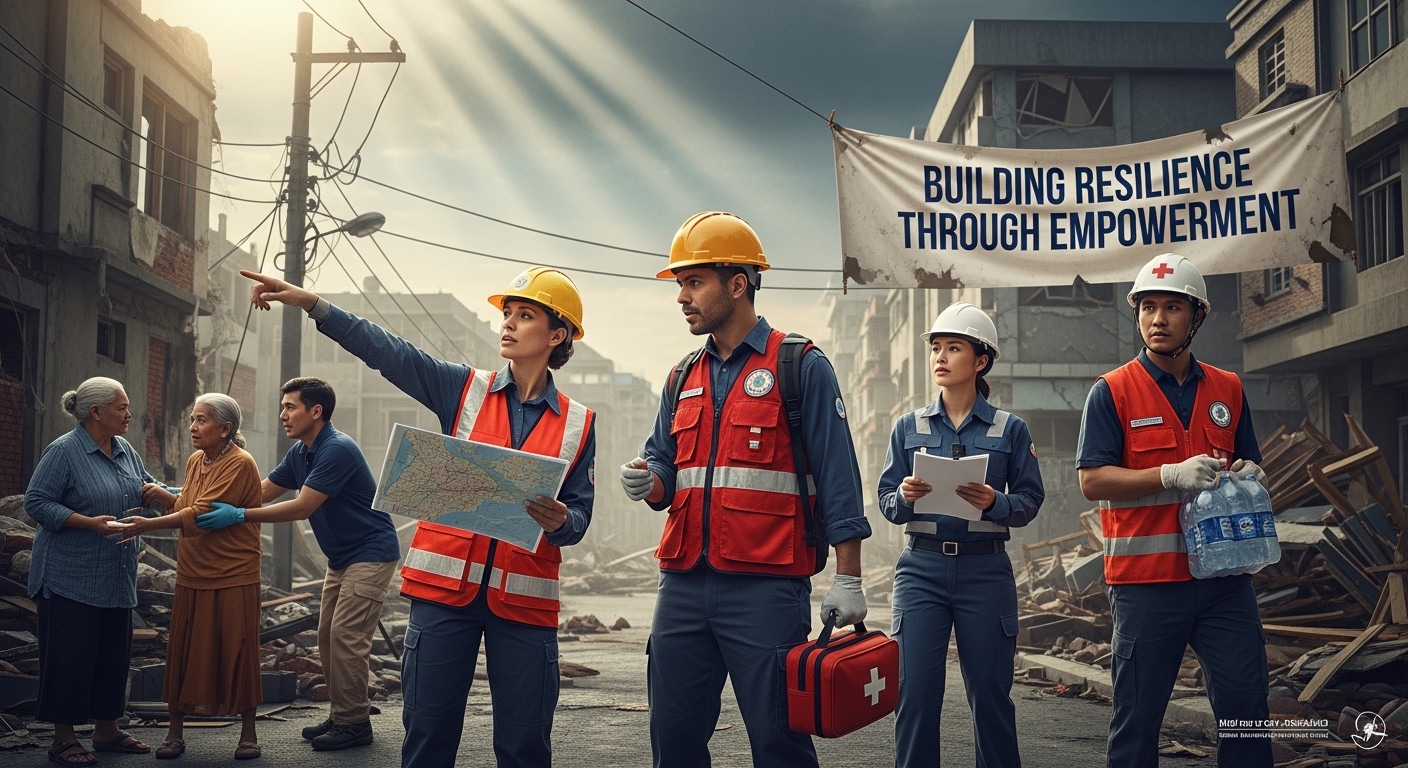
Disaster management crew: Building Resilience through Empowerment
Disasters can strike at any moment, leaving communities shaken and vulnerable. From natural calamities like hurricanes and earthquakes to man-made crises, the impact can be devastating. But what if we could change that narrative? Enter the disaster management crew—an essential team dedicated to not just responding to emergencies but also building resilience within communities. Their mission goes beyond immediate relief; it’s about empowering people with knowledge and resources to face challenges head-on. Let’s explore how these brave teams are transforming disaster response into a proactive approach for a safer future.
What is Disaster management crew?
A disaster management crew is a specialized team designed to respond swiftly and effectively during emergencies. This group comprises trained professionals who focus on mitigating the impact of disasters, whether natural or man-made.
Their expertise spans various fields, including medical assistance, logistics, communication, and public safety. Each member plays a crucial role in coordinating efforts to protect lives and property.
Preparedness is at the heart of their mission. They work tirelessly to develop plans that ensure communities are ready for potential crises. By conducting drills and simulations, they help identify weaknesses in response strategies.
The ethos of a disaster management crew goes beyond mere reaction; it emphasizes proactive measures. Their commitment fosters resilience within communities by instilling confidence and knowledge among residents about how to handle emergencies effectively.
The role of a disaster management crew in building resilience
A disaster management crew plays a critical role in fostering community resilience. They are the backbone during crises, ensuring that vulnerable populations receive timely support and resources.
These teams assess risks and develop tailored strategies for different scenarios. By understanding local dynamics, they can provide relevant solutions that empower communities to respond effectively.
Education is another vital aspect of their work. Through workshops and training sessions, crews equip individuals with essential skills. Knowledge about first aid or evacuation plans can save lives when disasters strike.
Moreover, collaboration is key. Disaster management crews often partner with local organizations to enhance their reach and impact. This synergy builds trust within communities, making them more resilient in the face of adversity.
By actively involving residents in preparedness initiatives, these crews foster a culture of self-reliance that endures long after the immediate crisis has passed.
Identifying vulnerable communities and empowering them through education and resources
Identifying vulnerable communities is crucial for effective disaster management. These areas often lack the resources and infrastructure needed to withstand crises. Recognizing their unique challenges allows disaster management crews to tailor interventions.
Empowerment through education is a powerful tool. Workshops can teach residents about risks, preparedness strategies, and recovery processes. Knowledge builds confidence and encourages proactive behaviors.
Access to resources is equally important. Providing essential supplies like emergency kits or first aid materials can make a significant difference in outcomes during disasters.
Partnerships with local organizations amplify efforts, ensuring that assistance reaches those who need it most. Engaging community leaders fosters trust and enhances participation in resilience-building initiatives.
By equipping these communities with knowledge and tools, we create a more prepared population ready to face any challenge head-on.
Training and preparation for emergency situations
Training for emergency situations is crucial for any disaster management crew. It equips team members with the skills necessary to respond effectively when crises arise.
Hands-on drills simulate real-life scenarios, allowing crews to practice their responses. These exercises foster teamwork and build confidence among participants. The more prepared they feel, the better they’ll perform under pressure.
Workshops on first aid and CPR are invaluable. They empower individuals to provide immediate care before professional help arrives. Knowledge of basic medical procedures can save lives during critical moments.
Communication training is equally essential. Clear instructions and coordination are key in chaotic environments. A well-informed crew can navigate challenges efficiently, ensuring that resources reach those in need without delay.
Regular refresher courses keep everyone updated on best practices and new technologies in disaster management. This commitment to ongoing education enhances overall readiness within communities facing potential threats.
The impact of community involvement in disaster management
Community involvement plays a crucial role in disaster management. When local residents participate, they bring valuable knowledge about their environment and vulnerabilities. Their insights can shape effective response strategies.
Engaged communities often develop stronger bonds between members. Trust grows as people work together towards common goals. This unity fosters quicker responses during emergencies.
Volunteers can also assist with training sessions, sharing skills that are essential for preparedness. Such grassroots efforts create a sense of ownership over safety measures.
Additionally, community-led initiatives often lead to innovative solutions tailored to specific needs. Locals know what resources are lacking and how best to address them.
When the community is involved, resilience increases significantly. People feel empowered and equipped to face challenges head-on, reducing reliance on external aid when disasters strike.
Case studies of successful disaster management efforts
One notable case study is the response to Hurricane Katrina in New Orleans. Local organizations collaborated with national agencies to provide immediate shelter and food. Their efforts highlighted the importance of community networks in crisis situations.
In another instance, Japan’s 2011 earthquake and tsunami showcased a robust disaster management crew at work. The country had invested significantly in preparedness training over the years, which led to effective evacuation procedures that saved countless lives.
The Philippines offers yet another example. After Typhoon Haiyan struck, grassroots initiatives emerged quickly. Community leaders mobilized volunteers for relief distribution while NGOs provided essential resources like water purification kits.
These examples reveal that successful disaster management relies heavily on collaboration among various stakeholders. Whether local or international, these teams must be well-prepared and adaptable to changing circumstances during crises.
Conclusion
Disaster management is a critical aspect of community safety and resilience. The role of a disaster management crew cannot be overstated; they are the backbone that supports vulnerable communities in times of crisis. By focusing on empowerment through education and resources, these teams help individuals and families prepare for emergencies effectively.
Identifying at-risk areas is essential. A proactive approach allows disaster management crews to tailor their efforts, ensuring maximum impact where it’s needed most. Training sessions equip community members with vital skills, enabling them to respond quickly during emergencies.
Moreover, active participation from local residents enhances the effectiveness of disaster response strategies. When people feel involved and knowledgeable about their safety measures, it fosters a sense of ownership over their well-being.